Welcome To Infotainnet: Health

Welcome To Infotainnet

Inform, Educate, Empower and Inspire

STAY WITH US

ads

Hot

Post Top Ad

Your Ad Spot
test
Showing posts with label Health. Show all posts

Thursday, 29 August 2019

Scientists reveal how to ‘turbocharge’ immune system to fight cancer

August 29, 2019 0
Australian scientists have discovered how to “turbocharge” the immune system to help in the fight against cancer by inhibiting the biological activities of a protein and curbing the tumor growth.
Before the onset of the disease, natural killer (NK) cells, which are key to immunity, are attacked and blocked by the protein activin-A, thereby giving room for the growth of tumours that eventually cause cancer.
The protein, which is found in both healthy and harmful human cells, proceeds on this by reducing the production of the enzyme granzyme usually released by NK cells to trigger self-destruction in cancer tumours.
However, a study which was published on Science Signaling and carried out at the University of Queensland and Monash Biomedicine Discovery Institute has shown that follistatin, a naturally-occurring hormone, inhibited activin-A in both human and mouse NK cells.
This comes as previous research has also linked activin-A to ‘malignant cellular reprogramming’ in breast and ovarian cancer and a poor chance of recovery in the case of lung cancer.
“Follistatin — which has been associated with muscle mass and strength — can then be stimulated and deployed to inhibit the biological activities of activin-A and block cancer cells growth in the long run,” the researchers wrote.
Nicholas Huntington, an author of the study, said the findings would pave way for the creation of new drugs that provide a “deeper and more durable way to overcome immune system suppression” which often ensues before the onset of cancers.
“These findings may open the door to novel immune-therapy drugs. These provide a deeper and more durable way to overcome the immune suppression seen in cancer, improving patient outcome,” he said.
According to World Health Organisation (WHO), cancer is the second leading cause of death globally and is estimated to account for 9.6 million death in 2018
Read More

Wednesday, 28 August 2019

Study reveals why athletes have poor oral health despite regular brushing

August 28, 2019 0
Scientists at the University College, London (UCL), may have found the reason why some athletes struggle with poor oral health despite the use of good oral hygiene practices for healthy teeth.
Using British athletes as participants, scientists interviewed 352 English people and found that, although they were more likely to brush twice a day and floss their teeth, they still grappled with a poor set of teeth.
Those who participated in the study spanned a total of 11 sports including football, cycling, swimming, rowing, hockey, sailing, athletics and rugby.
According to the latest study, published in the British Dental Journal, about 94 percent of them were found to have been in the practice of brushing their teeth twice a day compared to the 75 percent of the public.
Moreso, smoking rates and diet were much better in the elite athletes and 44 percent of them flossed regularly unlike the public which reported only 21 percent. What, then, is the cause of poor oral health among them?
Julie Gallagher, a UCL researcher, said the study showed that 87, 59, and 70 percent of the athletes used sports drinks, energy bars, and energy gels respectively and this constantly bath their teeth thereby increasing the risk of erosion and decay.
According to her, behavioral and hygiene changes such as the use of additional fluoride from mouthwash, more frequent dental checkups, and a reduction in the intake of sports drinks would help improve oral health.
“The sugar in these products increases the risk of tooth decay and the acidity of them increases the risk of erosion. This could be contributing to the high levels of tooth decay and acid erosion we saw during the dental check-ups,” Gallagher said.
There is also previous research that suggested that the mouth becoming dry due to heavy breathing during sports can result in the teeth obtaining less protection from saliva in the mouth, hence the discoloration.
Read More

Tuesday, 27 August 2019

13 things to abstain from during pregnancy that could cause miscarriage

August 27, 2019 0
Are you interested in knowing things to avoid during pregnancy that could cause miscarriage? Read on to know how you can stay safe during your pregnancy!
What is a miscarriage?
A miscarriage, or spontaneous abortion, is when a pregnant woman loses her fetus in the first 20 weeks of pregnancy. A miscarriage can be brought on by underlying medical conditions. However, sometimes the pregnant woman might be unknowingly doing the things to avoid during pregnancy that cause miscarriage.
SYMPTOMS OF MISCARRIAGES
There are many signs that can point to the termination of a pregnancy. Even if you have religiously obeyed the things to avoid during pregnancy that cause miscarriage and you see the following symptoms, please go to the doctor to rule out spontaneous abortion.
Show
The show is the pinkish mucus that indicates to a woman that she is about to be in labour. If you see this before the 20th week of pregnancy, it could be a sign of a miscarriage.
Cramps
Just like labour, the cramps are usually mild in the beginning but progressively get worse. The cramps are usually worse in the lower abdomen and back, and it could present like lower waist pain.
Bleeding
Bleeding could trickle in lightly and progressively get worse until there is a heavy flow of blood. It could also come with lots of blood clots. Once there are cramps and spotting—that is drops of blood on the underwear—the woman should go the doctor immediately to rule out a miscarriage.
Fever and fatigue
Fever in itself isn’t always a sign of a miscarriage, but if it accompanied by any of the other symptoms, then the pregnant woman should be concerned.
CAUSES OF MISCARRIAGE
Below are things to avoid during pregnancy that could cause miscarriage. Although most of these things are out of the control of the pregnant woman, she could learn to manage these if they are present.
Fibroids
Fibroids are benign, noncancerous, abnormal growth in or on a woman’s uterus. The closer the fibroid is to the center of the woman’s uterus where the baby is, the higher the tendency of a miscarriage. Also, the size of the fibroid can affect a pregnancy.
If you have fibroids, you should try and check with a doctor when you plan on having a child. Fibroids come with painful menstruation, longer menstruation duration, and lower back pain. If you have experienced any of these symptoms, check with your doctor before you get pregnant.
Please note that fibroids are sometimes genetic. So, if you have any family member who has suffered from fibroids, you should go for a medical examination. Obesity and early puberty are also risk factors.
Infections
Some infections like toxoplasmosis (which is found in cat feces), rubella, and chlamydia, can also trigger miscarriages. Some of them come with symptoms and others have no symptoms at all. It is ideal for you to go for routine checkups so that you can be on the safe side always.
Fever
If you get sick, which usually occurs within the first three months of pregnancy and you are running a very high temperature, please report to the doctor. A temperature of 38.90c and above could be damaging to your unborn baby.
Illness
Those with diseases in the heart, liver, kidney, hormonal diseases, diabetes, obesity, high blood pressure, etc., are prone to having miscarriages. If you have these diseases and plan to get pregnant, then you should do so under the close observation of your medical personnel.
This is to make sure that pre-existing conditions don’t hurt your baby. Your doctor could also tweak your medication to make sure the drugs don’t hurt your baby.
Age
A woman who is above 35 years is more prone to having miscarriages. Pregnancy above the age of 35 is called geriatric pregnancy, and this needs to be closely monitored by your medical personnel.
Previous miscarriages
Someone who has had a previous miscarriage is more likely to miscarry her baby again than someone who has no history of miscarriages. This is also true for those whose former miscarriage was not properly investigated and treated.
Things to avoid during pregnancy that cause miscarriage could also include lifestyle options and food. Here are some of your choices that could cause a miscarriage:
Drug use
The use of hard drugs like cocaine, marijuana, methamphetamine and heroin can cause miscarriages. Hard drugs are not safe during pregnancy.
Smoking
Smoking could terminate a pregnancy. This is how smoking can harm an unborn baby: In the first trimester, smoking or exposure to cigarette smoke can cause chromosomal problems which can then result in a miscarriage.
Improper food hygiene
Uncooked or improperly cooked meat could contain bacteria called listeria. Listeria can cause miscarriages. Also, it can make the pregnant woman very sick with food poisoning, which is also risky to the fetus.
Alcohol
This is one of the major things to avoid during pregnancy that cause miscarriage. Alcoholic beverages can not only cause miscarriages but they can harm the baby and cause developmental problems like Fetal Alcohol Syndrome (FAS).
Stress
Pregnant women need lots of rest. Stress is detrimental to both the health of the mother and the growth of the baby.
Improper child spacing
Leaving too much time or too little time from one baby to the other can cause a miscarriage. Too little space, like three months after the first birth, will not allow the mother’s body rest from the previous birth. The body is overwhelmed with stress and so the mother could miscarry. Also, a woman needs to recover totally from a previous miscarriage before conceiving again.
Air pollution and unsanitary living conditions
Excessive inhalation of polluted air, like nitrogen dioxide from burning gas or coals, can cause miscarriages. Make sure to stay in well-ventilated areas. Avoid unsanitary living conditions to cut down on the risk of getting infections.
If you stay away from these things to avoid during pregnancy that cause miscarriage, there’s a high chance that your baby will be born healthy!
This article was first published on AfricaParent.com

Read More

Monday, 26 August 2019

Gynaecologist explains dangers of ovarian torsion

August 26, 2019 0
A Bauchi state-based gynaecologist, Isaac Shamaki, has warned women suffering from ovarian torsion about the dangers of delaying treatment.
Ovarian torsion is a medical condition that occurs when an ovary twists around the ligaments that hold it in place in a way that could cut off blood flow to it or the fallopian tube. It could also cause further complications.
In an interview with NAN, Shamaki described the ailment as a medical emergency and added that women who are diagnosed with it should seek out treatment or risk the loss of their ovaries.
According to him, surgery may be done to untwist the ovary and the fallopian tube while medication may also be prescribed to reduce the risk of recurrence to end severe pain and other symptoms that come with the ailment.
“If you’re experiencing symptoms of ovarian torsion, seek immediate medical attention. The longer the condition goes untreated, the more likely you are to experience complications,” he said.
“After assessing your symptoms and medical history, your doctor will perform a pelvic exam to locate areas of pain and tenderness. They will also perform a transvaginal ultrasound to view your ovary, fallopian tube and blood flow.”
Shamaki said that torsion accounts for two or three per cent of all acute gynaecological emergencies. He also noted that torsion remains a clinically difficult diagnosis, as the symptoms are usually nonspecific.
According to him, the doctor will also use blood and urine tests to rule out other potential diagnoses, such as urinary tract infection, ovarian abscess, ectopic pregnancy and appendicitis.
He noted that doctors could make a preliminary diagnosis of ovarian torsion based on their findings; a definitive diagnosis would be typically made during corrective surgery.
“You may be more likely to experience ovarian torsion if you have ovarian cysts, which can cause the ovary to swell. You may be able to reduce your risk by using hormonal birth control or other medications to help reduce the size of the cysts,” he said.
On the cause of ovarian torsion, he said it could occur if the ovary was unstable.
“For example, a cyst or ovarian mass can cause the ovary to become lopsided, making it unstable. You may also be more likely to develop ovarian torsion if you have polycystic ovarian syndrome, a long ovarian ligament, which is the fibrous stalk that connects the ovary to the uterus,” he said.
“You have a tubal ligation, pregnant trusted source and undergoing hormonal treatments, unusually for infertility which can stimulate the ovary. Although this can happen to women and girls at any age, it’s most likely to occur during the reproductive years.”
However, Shamaki said that ovarian torsion could sometimes resolve itself on its own.
“This is called intermittent torsion; meaning that the tossed ovary twists back into place and then ceases twisting. However, experts say you shouldn’t wait to see if the ovary will twist back on its own,” he advised.
The gynaecologist, however, disclosed that torsion does not have an impact on a woman’s ability to conceive or carry a pregnancy to term.
According to him, a woman can have ovarian torsion after hysterectomy, saying ovarian torsion after hysterectomy is a rare event.
“In cases of acute onset pelvic pain in patients with history of hysterectomy, the adnexal torsion must be kept in mind in the differential diagnosis, especially in those women who had undergone laparoscopic hysterectomy,” he said.
“It seems to be more frequent after laparoscopic hysterectomy. Therefore, despite it is a rare event, its prevalence could increase in the future with the widespread use of laparoscopic approach.”
Read More

Sunday, 25 August 2019

Doctors warn against checking health symptoms online

August 25, 2019 0
Dr Oluwaseun Ayotola, a General Practitioner at Ajayi Medical Centre, Lagos has advised patients against checking their health symptoms online to avoid anxiety and misdiagnosis.
Ayotola gave the advice in an interview with the News Agency of Nigeria (NAN) on Sunday in Lagos.
He said that doctors used to  assess and ask patients several questions based on patients reported symptoms, review them  holistically before arriving at a diagnosis.
“It has been discovered that most people once they feel sick, the next thing they do is to check on Google the symptoms.
“Most times, they are confronted with misinformation, unqualified opinions and alarmist advice that will induce fear and might even complicate the situation.
“We have seen cases of patients who had ‘headache’ and believed they had developed ‘brain tumor’ because they checked online.
“Just because you share a symptom with a disease does not mean you have the disease, there might be a simple and non-life threatening explanation for your aches,” he said.
He advised people to resist the compulsion of self-diagnosis,  but that they should always consult qualified health practitioners and live a healthy life.
Also, Dr David Agboola of St.  Raphael’s Hospital in Ikorodu, Lagos State, warned that health information are sensitive, thus they should be handled with care.
“Every time you visit a web page seeking information about a health condition, there is a chance that such data is being collected by a third party.
“Before you know it, you begin to receive tailored adverts and emails proffering treatments and solution to the ailments.
“Using medications that are not prescribed by a doctor can worsen symptoms and lead to complications,” he said. (NAN)
Read More

Friday, 23 August 2019

Doctor advises women on C-Section

August 23, 2019 0
A doctor and the chief medical director (CMD) of Dalhatu Araf Specialist Hospital (DASH), Lafia, Hassan Ikrama, has advised pregnant women to adhere to medical advice on the number of times to give birth through caesarean section (CS).
The CMD gave the admonishment during an interview with NAN on Thursday in Lafia, Nasarawa state.
According to him, gynaecologists are specially trained to handle issues concerning pregnancy hence pregnant women should adhere to their advice to avoid complications during child birth.
He explained that gynaecologists were responsible for the diagnosis and treatment of all issues associated with the female reproductive system and breasts.
Ikrama said that most times, women that gave birth through CS in Nigeria were not advised to undergo the process more than three times.
“Each time a woman gives birth through CS it weakens the womb of such woman thereby affects her capacity and strength,” the CMD cautioned.
“So, if the womb is weakened and limits were not put as to the number of times the woman should give birth to, such a woman can be vulnerable to complications during child birth.’’
He, however, explained that unlike in Nigeria, women who underwent CS for child birth in other advanced countries could give birth to more than 10 children.
He said that the system in the advanced countries was such that maternal mortality rate due to child birth had been reduced.
The CMD also advised members of the public to always go for medical check-up in order to ascertain their health status.
Read More

Five ways sugar negatively affects the body

August 23, 2019 0
Growing up, we all had "too much sugar is not good for you" echoed over and over again that it became a sort of anthem but let's admit it, that didn't stop any of us from consuming the sweets and candies.
Children are not the only ones guilty of consuming too much sugary things because most people consume about 3-4 times the amount of sugar they ought to consume daily. This could be because most people don't realize that the so-called healthy alternatives that have zero calories and zero sugar are also just as bad.
The bitter truth is that as sweet as it is, sugar is highly toxic and addictive, just as addictive as illicit drugs; and negatively affects the body's organs in many ways.
Recently, an American doctor, Robert Lustig has been calling for laws that restrict sugar as if it were alcohol or tobacco and I am sure just like the rest of the world, you raised your eyebrow at that but here are the different ways sugar negatively affects your body.
A Woman Sitting In Front Of Sugary Foods Photo Nutrition Advance

Liver

Excessive sugar consumption will cause the liver to become resistant to insulin and this ultimately leads to Diabetes Mellitus Type 2 and Non Alcoholic Fatty Liver Disease. Another thing that happens to the liver with too much sugar intake is Leptin Resistance.
Leptin is also known as 'satiety hormone' and it is a hormone that is produced to tell the body it is full and needs to stop eating. Studies show too much sugar switches off this Leptin hormone so we don't know when we are full, and this causes overeating.

Brain

The taste of sugar in our mouth sends signals to the brain to release dopamine, the feel good hormone. Dopamine, when released gives a pleasurable, euphoric feeling, but it doesn't last. Drugs like cocaine, heroine and marijuana also cause dopamine surge to be released. In order to maintain that 'high', most people tend to use more and more drugs to give you that same feeling. When this signal pathway is overactivated, it causes problems because people tend to get addicted and crave the drug more. Sugar works in the exact same pathway and that is why most people have a sugar addiction and can't simply stop after a slice of cake.
In the long term, this sugar addiction has been shown to cause depression. Excessive consumption of sugar and insulin resistance has also been linked to Alzheimer's disease in the elderly.

Heart

High sugar is the leading cause of heart diseases as a diet high in sugar increases obesity and diabetes risk, and both have been shown to increase the likelihood of heart disease. In addition, excess sugar ultimately affects arteries and circulation and may increase the likelihood of hypertension and stroke.

Skin

When we eat sugar, it attaches to proteins in the blood stream and forms harmful products known as advanced glycation end products also known as AGEs. Basically, this causes inflammation and causes your skin to age faster. These AGEs also deactivate the body's natural antioxidant enzymes, leaving the skin more vulnerable to sun damage. Basically, a high sugar diet will age your skin faster and leave it more prone to skin conditions like acne, dry skin and premature wrinkling.

Sexual and Reproductive Organs

Excess sugar negatively impacts blood flow throughout the body, including the sex organs. Therefore, men who consume a high sugar diet may find it difficult to have an erection or to maintain one. Not only does this affect sex life, it also affects fertility. Sugar causes inflammation and exacerbates conditions such as endometriosis; making embryo implantation difficult. Furthermore, excessive sugar leads to hormonal imbalance which makes getting pregnant very difficult.
With all these in mind, you better think twice before you go on your next sugar binge.

Read More

Wednesday, 21 August 2019

EU invests N89.80bn in Nigeria’s health sector

August 21, 2019 0
The European Union has said that a total of N89.80bn was invested in the Nigerian health sector within the last 17 years.
This was contained in a statement signed by the National Team Leader, European Union Support to Immunisation Governance in Nigeria, Dr. Yisa Ibrahim.
The Head of Cooperation of the European Union Delegation to Nigeria and ECOWAS, Mr Kurt Cornelis, said in the statement that the EU invested over N68.16bn (€ 200m) to develop the health sector in Nigeria between 2002 and 2019. The statement added that another N21.64bn (€63.5) was also invested in another health project, which benefitted 23 states in the country.
While highlighting the importance of EU investments in the sector, Cornelis added that more than 200,000 children died annually because of failure to reach them for vaccination.
He stressed that the EU’s support had helped Nigeria move closer to Sustainable Development Goals.
Cornelis said, “The EU exceeded over N68.16bn (€ 200m) in pure health sector development investments in Nigeria between 2002 and 2019. Unfortunately, more than 200,000 children die annually due to diseases that can be prevented through vaccination. Through our support in the health sector, we contribute to improving the health sector, which helped Nigeria to improve its performance in order to attain some of the targets of the Sustainable Development Goals that are important to the 2030 sustainable development agenda.”
The statement also noted that the EU project, which benefitted 23 states in Nigeria, was implemented by the National Primary Health Care Development Agency between 2011 and 2019. It stated that the project came to an end on Tuesday.
The states that benefitted from the project are Abia, Akwa-Ibom, Anambra, Bauchi, Cross River, Edo, Ebonyi, Gombe, Jigawa, Kaduna, Kano, Katsina, Kebbi, Kogi, Kwara, Lagos, Ogun, Osun, Plateau, Rivers, Sokoto, Yobe, Zamfara and the Federal Capital Territory.
EU said its support to Nigeria had enhanced immunisation coverage and polio eradication activities.
The statement added, “The European Union Support to the Immunisation Governance project enhanced immunisation logistics by building the capacity of 1036 health workers and managers for routine immunisation. It also supported polio eradication activities and expanded the vaccine cold chain and storage capacity with 757 solar direct-drive solar refrigerators, 46 new and renovated cold stores and health facilities, as well as 29 four-wheel-drive vehicles.
“The project is embedded in the NPHCDA and it is implemented by public officials to ensure there is sustainability and accountability within the government system so government workers can continue to implement the strategies even after EU support ends.”
Read More

Tuesday, 20 August 2019

Dokun Olunmofin warns against consumption of kilishi

August 20, 2019 0
Dokun
Dokun Olumofin, brother to popular relationship doctor, Joro Olumfin, has just shared a photo of himself from a hospital bed with a 'strong' warning.
Sharing details of his ailment Dokun wrote, 'I reached the gate of death, but God didn't allow me to pass through. To all my living STAY AWAY from Kilishi. I repeat stay away from KILISHI. A word is enough for the wise. I thank God. Out of the hospital and kicking'.
'Killichi resulted to a chemical in my blood that shut down my hemoglobin. In arterial oxygen, my readings were under 60, in pulse reading in the 70s. I lost blood and had no flow of oxygen. Had to be transfused and needed support to breathe! I could not move, hardly knew what was going on around me. Doctors were confused, never seen anything like it. Eyes jaundiced etc. Honestly, I didn't think I will make it'.
Dokun Olumofin
Read More

Monday, 19 August 2019

How to get glowing skin using honey

August 19, 2019 0
Honey Photo The Costa Rica News
Honey is the sweet, sticky substance that bees produce and store in hives. Raw, unpasteurized honey has the most potential for topical application on the skin. This shows that there are many importance of honey performs on the skin which makes it a must-have. Below are some of the importance of honey for the skin:

Exfoliate

You can use raw honey to exfoliate your skin, to do this, ensure you are using the raw honey. Honey can be used to take off dry, dull skin and reveal new skin cells underneath by applying it as a paste on the skin. This makes the skin brighter and better.

For Acne and eczema

One way to use honey for your face is to mix it with other ingredients to create a soothing face mask treatment. It can be used for chronic skin conditions by using it as a paste, spot-treated, or with a face mask that you leave on for several minutes.

Moisturising

Honey can also be used as a moisturiser. The sugars in honey act as natural humectants and emollients that increase the water content and reduce dryness in the skin even after they have been washed off. To moisturise the face, you can apply raw honey directly on the skin and leave it on for up to 20 minutes, then rinse and massage it off thoroughly with water.

Sleeping

One important routine for the skin is having enough sleep. A good sleep will enhance a good skin. When you eat honey it causes a slow, steady spike of insulin, which converts to serotonin and melatonin, two chemicals that help you fall asleep. And, if you're one to wake up in the middle of the night, a tablespoon of honey will help you stay asleep since.
To have a better and smooth skin, try the wonders of honey.
Read More

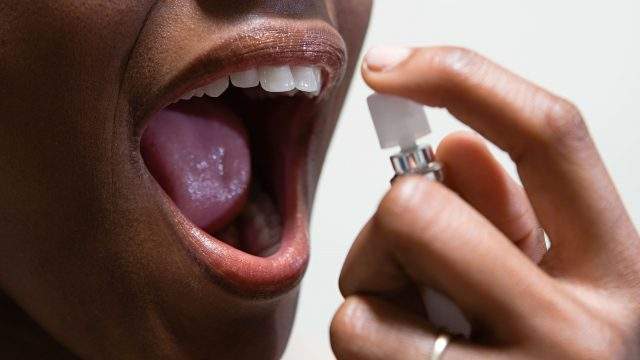
Four causes and remedies of bad breath

August 19, 2019 0
Bad Breath NetDoctor E1565891036888
Bad breath, also called halitosis, can be embarrassing and may even cause anxiety.
But, rather than focus on letting it have the most of your day, get to know its causes and the simple remedies:
Food
The breakdown of food particles in and around your teeth can increase bacteria and cause a foul odour. Eating certain foods, such as onions, garlic and spices also can cause bad breath. 
Tobacco products
Smoking causes its own unpleasant mouth odour. Smokers and oral tobacco users are also more likely to have gum disease, another source of bad breath.
Poor dental hygiene
If you don't brush and floss daily, food particles remain in your mouth, causing bad breath. A colourless, sticky film of bacteria (plaque) also forms on your teeth. If not brushed away, plaque can irritate your gums and eventually form plaque-filled pockets between your teeth and gums.
Dry mouth
Saliva helps cleanse your mouth, removing particles that cause bad odours. A condition called dry mouth or xerostomia can contribute to bad breath because the production of saliva is decreased. 

Bad breath remedies:

  • Brush your teeth after you eat. And always brush your tongue too.
  • Floss at least once a day. Flossing helps prevent cavities and gum disease. Proper flossing removes food particles and plaque from between your teeth, helping to control bad breath.
  • Drink plenty of water to avoid dry mouth. To keep your mouth moist, avoid tobacco and drink plenty of water - not coffee, soft drinks or alcohol, which can lead to a drier mouth. 
  • Schedule regular dental checkups. See your dentist regularly - generally twice a year - to have your teeth or dentures examined and cleaned.
Read More

Sunday, 18 August 2019

Health officials link mysterious lung diseases to vaping

August 18, 2019 0
Health officials at the United States Centre for Diseases Control and Prevention (CDC) have linked a mysterious lung disease outbreak to vaping.
This is coming after nearly 100 US citizens, mostly teenagers and young adults were hospitalized after they reported symptoms including difficulty in breathing, shortness of breath, vomiting, diarrhoea, fever, cough, and chest pain.
The only factor the patients seem to have in common is a history of vaping.
Quite a number of persons have also been admitted to the intensive care units with medical authorities stating that there is a lack of clarity as to whether or not they would recover following the difficulty associated with diagnosing the disease.
In a statement, the CDC said its officials would be working with health departments from California, Illinois, Indiana, Minnesota, and Wisconsin — where cases of the disease have been confirmed — to determine the cause of the condition after “a cluster of pulmonary illnesses linked to e-cigarette use” was reported “among adolescents and young adults in recent weeks.”
It is believed that the cluster was first discovered at the Children’s Hospital of Wisconsin in Milwaukee where eight previously healthy teenagers were hospitalized with severe lung damage.
According to the public health institute, it would also be looking into 94 possible cases across 14 states to determine the cause of the condition after medical personnel linked epidermic to vaping nicotine and marijuana.
While the CDC said that no evidence has, so far, shown that an infectious pulmonary disease is at play, it added that there is lack of clarity on whether the illness is associated with the e-cigarette devices or contaminated ingredients.
In a statement, Howard Zucker, health commissioner for New York state, said “these latest reports of pulmonary disease in people using vaping products in New York and other states are proof that more study is needed on the long-term health effects of these products.”
But Gregory Conley, president of the American Vaping Association, also claimed that an estimated 10 million adults vape nicotine monthly without the manifestation of any side effect.
“It appears much more likely that the products causing lung damage are amateur-made street vapes containing THC or illegal drugs, not nicotine,” he said.
E-cigarettes have gained increasing popularity among the young population in recent years despite warnings by health authorities on the potential dangers of their long-term use.

Read More

Tuesday, 13 August 2019

Research shows two new drugs are highly effective in treating Ebola

August 13, 2019 0
Preliminary results from a new research have shown that two new Ebola drugs are highly effective when it comes to treating people with the virus.
Ebola is a virus that initially causes sudden fever, intense weakness, muscle pain and a sore throat, which could lead to the death of victims from dehydration and multiple organ failure.
Two of four drugs being trialed in the major outbreak in the Democratic Republic of the Congo were found to have significantly reduced the death rate.
More than 90 percent of infected people can survive if treated early with the most effective drugs, the research showed.
The trial, conducted by an international research group coordinated by the World Health Organization (WHO) and co-sponsored by US National Institute of Allergy and Infectious Diseases (NIAID), began in November last year.
REGN-EB3, mAb114, ZMapp and Remdesivir were used on patients during the experiment in the DRC.
The drugs were tested on around 700 patients, with the preliminary results from the first 499 now known.
While REGN-EB3 and mAb114 gave a 90% survival rate by attacking the Ebola virus with antibodies, ZMapp and Remdesivir were found less effective.
The preliminary findings have now been stopped while the two drugs will now be used to treat all patients with the disease in DR Congo.
According to BBC, two people cured of the virus on Tuesday were released from a treatment centre in Goma, eastern DR Congo, and reunited with their families.
Anthony Fauci, director of NIAID, said they are the “first drugs that, in a scientifically sound study, have clearly shown a significant diminution in mortality” for Ebola patients.
“From now on, we will no longer say that Ebola is incurable,” said Jean-Jacques Muyembe, director-general of the Institut National de Recherche Biomédicale in DRC, which has overseen the trial.
“These advances will help save thousands of lives.
“Now that 90% of their patients can go into the treatment centre and come out completely cured, they will start believing it and building trust in the population and community.”
The latest outbreak, which started in August 2018, is the 10th experienced in DR Congo since 1976.
Not less than 1,803 people in the country have been killed by the disease since the latest outbreak, which recently compelled Rwanda, a neighboring country, to close its border in a bid to prevent a spread of the virus.

Read More

Friday, 9 August 2019

Gynecologists warn against v-steaming

August 09, 2019 0
Gynaecologists have warned of the risks of vaginal steaming (v-steaming) after a Canadian woman got burned while attempting the therapy.
V-steaming is an alternative health treatment practiced in some parts of Africa, Asia, and Central America, whereby a woman squats or sits over steaming water containing herbs like mugwort, rosemary, wormwood, and basil.
It has gained huge popularity among spas and celebrities alike as a method to strengthen, tighten, cleanse the walls of the vagina and also to ease period pains, and help with fertility.

However, the Canadian Journal of Obstetrics and Gynaecology shared the case of a 62-year-old woman who suffered vaginal prolapse, a condition where muscles supporting the pelvic organs weaken, causing the urethra, bladder or rectum to droop into the vagina.
The patient had opted for vagina steaming and believed the treatment could help avoid surgery only to sustain a second-degree burn thereafter.
A consultant for the Royal College of Obstetricians and Gynaecologists, Vanessa Mackay, dismissed claims that the vagina requires extensive cleaning.
While Mackay recommended the use of un-perfumed soaps on the external vulva area only, she warned that v-steaming could be potentially dangerous as there’s no proven evidence for the health benefits many claim it offers.
“The vagina contains good bacteria, which are there to protect it. Steaming the vagina could burn the delicate skin around the vagina (the vulva),” she said in a statement.
“It could also affect this healthy balance of bacteria and pH levels and cause irritation, infection (such as bacterial vaginosis or thrush) and inflammation.”
The author of the report, Magali Robert, said the injured woman steamed her vagina on the advice of a traditional Chinese doctor by sitting over boiling water for 20 minutes on two consecutive days.
“Health care providers need to be aware of alternative therapies so that they can help women make informed choices and avoid potential harm,” she said while speaking against the therapy.

Read More

Post Top Ad

Your Ad Spot